Aerospace pockets
Ask for AS9100 scope, FAI balloons, and whether long-reach tools need separate runout reports.
FREE sourcing support for qualified business buyers comparing die/mold facing cutters, with an eligible benefit of up to 3%. Eligibility applies to qualified business buyers and is confirmed after we review your product, quantity, destination, and sourcing requirements.
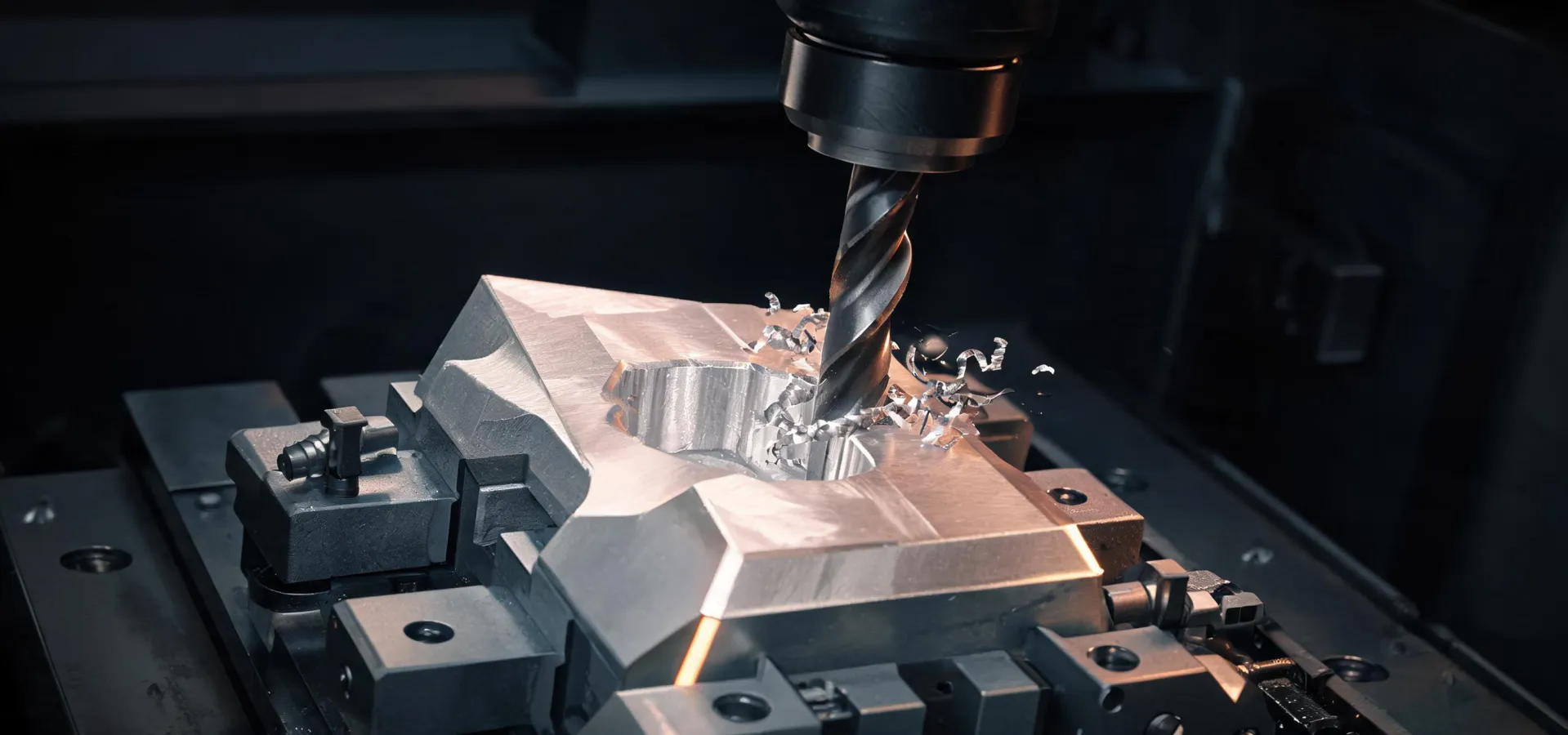
An end milling cutter manufacturers quote is only comparable when workpiece material, flute engagement, coolant strategy, and acceptance documents are written down. For die/mold shops the facing pass often sits beside those end mills, so this page translates common US project uses into purchase questions, not into claimed factory case counts.
Send an application briefAsk for AS9100 scope, FAI balloons, and whether long-reach tools need separate runout reports.
Indexable facing of P20/H13 plates belongs on a different line from the solid end mills that finish ribs.
IATF 16949 and PPAP remain factory documents. Interrupt cuts change edge-prep questions.
ISO 13485 and cleanliness records need a named lot. Do not treat this desk as a sterile manufacturer.
Deep pockets and stainless work-hardening change whether a roughing and finishing pair is one RFQ or two.
Aluminum 6061/7075, anodizing Type II/III, and Ra after milling must be sequenced before quoting coating.
ITAR or DFARS applicability is a supplier question after the print is classified correctly.
Prototype carbide grind and later production coating should be two quantity lines with two inspection plans.
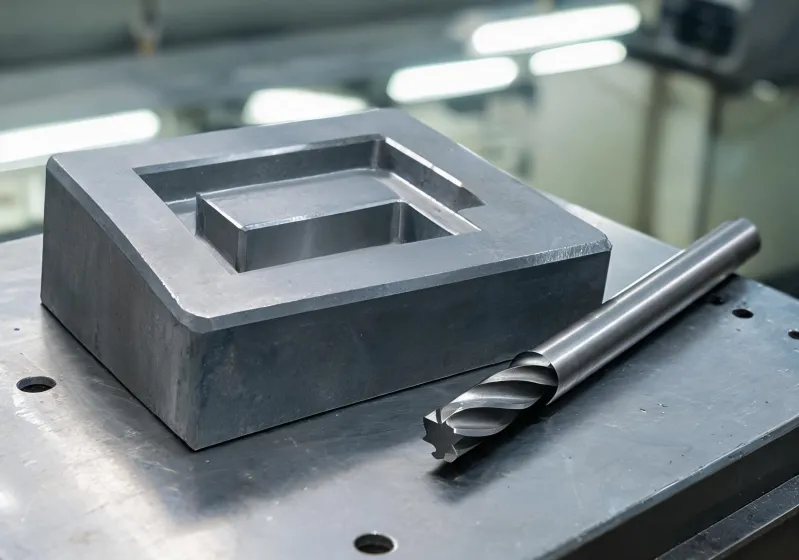
When a die/mold shop faces HRC 48–52 H13, an indexable body often looks cheaper until insert consumption is counted. Manufacturing teams push back because a solid carbide facer can hold Ra 0.8 μm on a small floor that an insert pitch cannot reach. Split the facing body from the wall end mills so the factory is not forced to quote ±0.025 mm everywhere. Ask whether a roughing mill and a finishing mill should be two SKUs on the same PO.
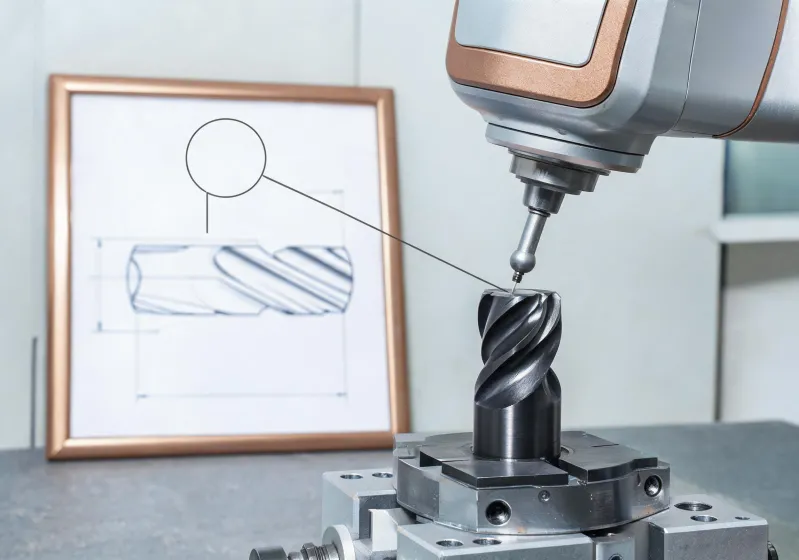
CMM with a named software report, optical scan, or FAI balloons are different methods. Write the datum scheme and which characteristics are measured, including insert-seat height on an indexable body. A first-article on one piece is not Cpk. If the receiving plant uses a different holder, runout measured in the factory holder may not repeat.
The table is a buyer checklist. It does not name competing factories and does not publish a saving percentage.
| Decision | When it helps | When it costs extra without function |
|---|---|---|
| Indexable face mill vs solid carbide facer | Wide P20/H13 plates where inserts can be rotated at the machine | Narrow floors or small effective diameters where seat runout exceeds the print |
| Solid carbide vs HSS end mills | Abrasive aluminum, hardened steel, production EAU | Soft prototype materials where HSS already meets life |
| Tight GD&T on every land | Stack-up on sealing or moving fits | Clearance diameters that can stay at ±0.1 mm |
| PVD/DLC coating | Built-up edge or abrasive composites | One-off aluminum trials that will be recut anyway |
| FAI plus CMM | Regulated or safety-critical pockets | Simple prototype slots where a micrometer log is enough |
| Offshore grind vs domestic | Stable EAU and frozen geometry | Weekly DFM changes or ITAR-controlled prints |
Scope statement for the quoted site. Not a badge of this website.
Needed only when the cutter enters an automotive PPAP file.
Carbide lot or steel heat that matches the quoted tools and insert grade.
Name workpiece material, pocket depth, coolant, destination, and whether tryout pieces travel separately. Factories can then quote end milling cutter manufacturers scope without guessing the machine list. For mold plates, also state whether the floor is indexable or solid.